ental Implants So Expensive
Why Are Dental Implants So Expensive?
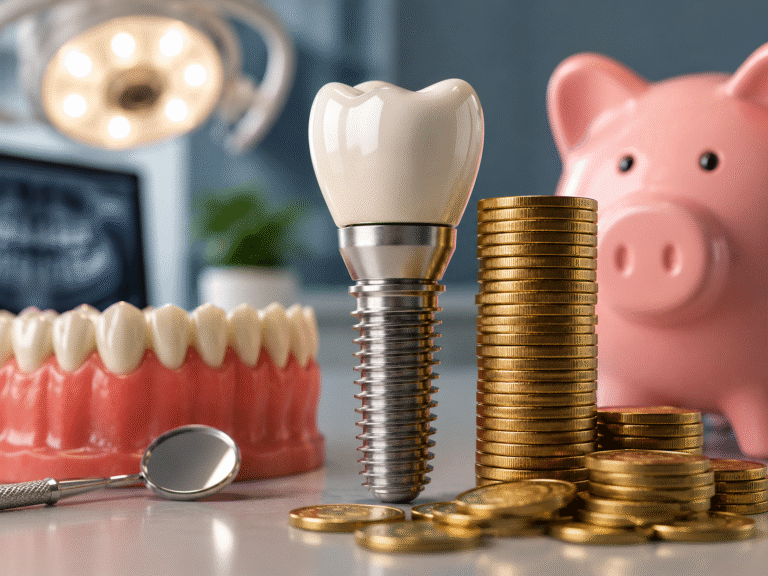
Dental implants are so expensive because the procedure combines surgical-grade titanium, advanced imaging, custom lab fabrication, and specialist expertise into one treatment. Dental implant cost refers to the combined price of the implant post, abutment, crown, and surgical placement, not one flat fee. A single implant typically costs $3,000 to $6,000 and lasts 25 years or longer, unlike dentures.
What Does the Cost of a Dental Implant Actually Include?
A dental implant cost breakdown involves three separate components, each priced individually: the implant post, the abutment, and the final crown. The post is surgically placed into the jawbone and must fuse to it through a biological process called osseointegration, which requires precise 3D imaging and surgical planning beforehand.
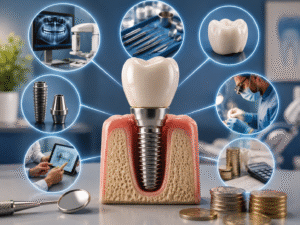
Beyond the physical components, the price also covers diagnostic scans, anesthesia, the specialist’s surgical time, and a dental lab’s fabrication of a crown custom-matched to the patient’s bite and appearance. Because each implant is planned around one patient’s anatomy, none of these steps can be mass-produced, which keeps per-unit costs high compared to off-the-shelf dental products.
How Much Do Dental Implants Cost on Average?
According to the American Dental Association, a single tooth implant, including the post, abutment, and crown, generally runs between $3,000 and $6,000 in the United States. Full-mouth implant-supported dentures cost significantly more, often $20,000 to $45,000 per arch, since each arch requires four to six implants plus a custom prosthetic. Costs vary by region, the specialist’s training, and whether bone grafting is needed before placement.
How Do Dental Implant Materials (Titanium vs. Zirconia) Affect Price?
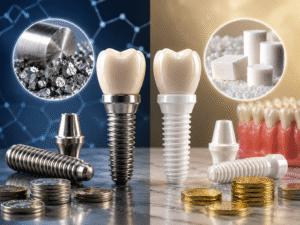
Dental implant materials are a major driver of cost because both titanium and zirconia must meet strict biocompatibility standards set by the FDA. Titanium remains the most common choice for the implant post because of its long track record of successful osseointegration, while zirconia is increasingly used for both posts and crowns in patients who prefer a metal-free, tooth-colored option.
Manufacturing either material to surgical-grade purity and machining it to exact specifications costs considerably more than producing standard dental crown materials used for non-implant restorations. This is one reason implant pricing rarely drops even when a patient shops around.
Are Dental Implants Worth It Compared to Dentures or Bridges?
Dental implants versus dentures or bridges is ultimately a question of long-term value rather than upfront price. A dental bridge typically lasts 10 to 15 years and requires reshaping the adjacent healthy teeth, while conventional dentures often need relining or replacement every five to seven years. Implants, by contrast, preserve the jawbone, don’t rely on neighboring teeth, and are designed to last decades with proper care.
When patients calculate the cumulative cost of repeatedly replacing a bridge or denture over 20 to 30 years, an implant frequently proves more economical, according to the National Institute of Dental and Craniofacial Research.
What Are the Risks of Cheap Dental Implants or Overseas Options?
Cheap dental implants, whether from discount domestic providers or overseas clinics, carry risks that can outweigh the initial savings. Lower prices often reflect reduced surgical planning, less experienced providers, or the use of unverified implant brands that make follow-up care difficult if a complication arises. Implant failure, infection, or bone loss from a poorly executed procedure can cost far more to correct than the original savings.
Patients considering treatment abroad should also weigh the difficulty of returning for follow-up visits, since implants require monitoring over months as they integrate with the jawbone.
FAQs
Does dental insurance cover dental implants?
Most dental insurance plans cover only a portion of implant treatment, if any, since implants are often classified as a cosmetic or elective procedure. Some medical plans will cover implants when tooth loss results from an accident or medical condition.
How long does the full dental implant process take?
The full process, from initial consultation through final crown placement, typically takes three to nine months, since the implant post needs several months to fuse with the jawbone before the crown is attached.
Can dental implants be financed?
Many dental offices offer in-house payment plans or work with third-party financing companies, allowing patients to spread the cost of implants over monthly installments rather than paying the full amount upfront.
Do all patients qualify for dental implants?
Most healthy adults with sufficient jawbone density qualify, though patients with significant bone loss may need a bone graft first, and certain conditions like uncontrolled diabetes or active gum disease should be addressed before surgery.