Can You Bite Nails With Dental Bonding?
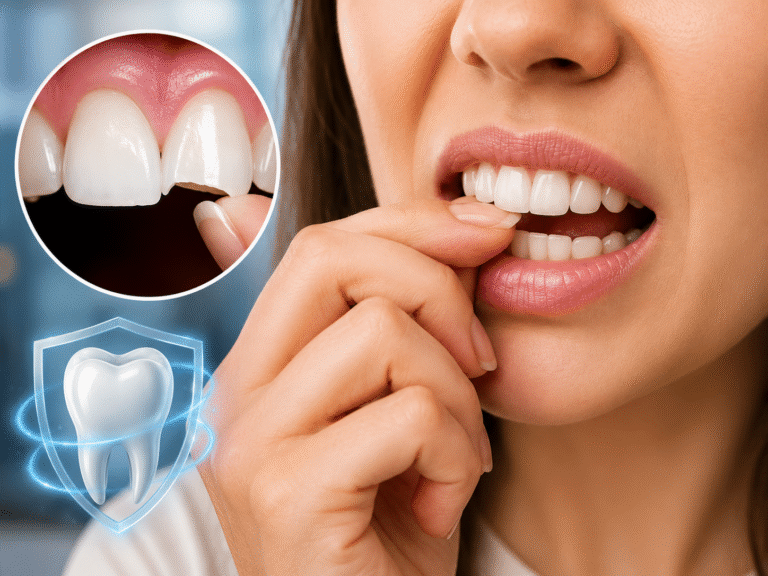
No, biting nails with dental bonding in place is not safe for the restoration. Dental bonding refers to a cosmetic procedure in which tooth-colored composite resin is applied directly to a tooth’s surface, and this resin is softer than natural enamel. Repeated pressure from nail biting can chip, crack, or dislodge the material within months, well short of bonding’s typical 3-to-10-year lifespan under normal use.
How Nail Biting Damages Dental Bonding
Composite resin is bonded to the tooth with an adhesive layer, not fused into the tooth structure the way enamel is. Nail biting concentrates repetitive, sharp-edged pressure exactly on the thin bonded edges, usually the front incisors, which are the most vulnerable part of the restoration.
Over time, this habit can cause:
- Micro-cracks that spread into a visible chip
- Marginal separation, where the edge lifts and allows staining or bacteria underneath
- Full detachment of a bonded section, requiring a dentist visit to repair
- Surface dulling, as friction wears down the resin’s polished finish
Even patients with strong natural enamel are advised against nail biting; with bonded teeth, the risk of sudden, visible damage is considerably higher.
How Long Does Dental Bonding Last?
Under normal conditions (no nail biting, ice chewing, or pen chewing), dental bonding typically lasts 3 to 10 years before it needs touch-ups or replacement, according to the American Dental Association. Lifespan depends on the location of the bonding, bite pressure, and daily habits. Front teeth used for biting into food (and, problematically, nails) tend to need earlier maintenance than bonding placed on less-used surfaces. Routine care and avoiding repetitive stress are the two biggest factors in extending that window toward the higher end.
Habits to Avoid After Dental Bonding
To protect a new restoration, dentists generally recommend avoiding:
- Nail biting: direct, repeated pressure on bonded edges
- Chewing ice, pens, or hard candy: sudden point-force impacts
- Using teeth as tools: opening packages, bottle caps, or tags
- Biting into very hard or sticky foods without cutting them first
- Skipping a nightguard if you grind your teeth at night
Sticking to soft-to-moderate foods for the first 24–48 hours, then maintaining these habits long-term, gives the resin the best chance of holding its shape and shine.
Can Nail Biting Cause TMJ or Jaw Damage?
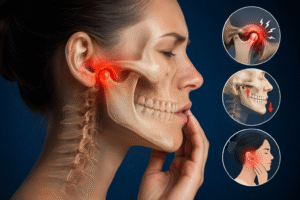
Yes, chronic nail biting has been linked to jaw strain and, in some cases, temporomandibular joint discomfort. The habit holds the jaw in a sustained, unnatural clenched position, and the repetitive small movements can contribute to muscle fatigue around the joint, especially alongside existing grinding or clenching. The National Institute of Dental and Craniofacial Research lists repetitive jaw habits among the factors clinicians consider when evaluating TMJ-related symptoms.
How to Stop Biting Nails With Dental Bonding
Since bonded teeth are more fragile at the edges than natural enamel, breaking the habit matters more once bonding is placed. Practical strategies include:
- Bitter-tasting nail polish, applied to discourage biting through taste
- Keeping nails trimmed short, reducing both the urge and the surface area to bite
- Fidget tools, as a substitute for hands-to-mouth habits
- Identifying triggers, such as stress or boredom, and addressing them directly
- Scheduling a dental check-up if the habit is frequent, so early wear can be caught before a full repair is needed
Frequent nail biters may also ask their dentist about a nightguard-style bite splint as a physical barrier during high-risk hours.
FAQs
Will my dentist know if I bite my nails with bonded teeth?
Often, yes. Dentists can spot early signs of edge wear, small chips, or dulled polish on bonded teeth during a routine exam, which are common signatures of nail biting.
Is dental bonding weaker than veneers for people who bite their nails?
Generally, yes: composite resin bonding is softer and more prone to chipping than porcelain veneers, which are more resistant to point pressure but not damage-proof.
Can chipped dental bonding be repaired instead of replaced?
Small chips can often be smoothed or patched by a dentist in a single visit, but repeated damage from ongoing nail biting usually shortens the time before a full replacement is needed.
Does insurance cover repairs caused by nail biting?
Coverage varies by plan; some insurers treat habit-related damage differently from normal wear, so it’s worth confirming with your provider before scheduling repair work.