What Is the Dental Code For a Flipper? | Purpose, Coding & Maintenance
Losing a tooth can affect your smile, confidence, and everyday activities like eating and speaking. A dental flipper is often used as a temporary replacement while patients wait for a more permanent solution.
If you’ve been researching this option, you’ve probably come across the term dental code for flipper. Whether you’re reviewing a treatment plan, checking your insurance benefits, or simply trying to understand your dentist’s recommendations, it’s natural to wonder what this code means and why it matters. Before answering that, let’s first understand what a dental flipper is.
What Is a Dental Flipper?
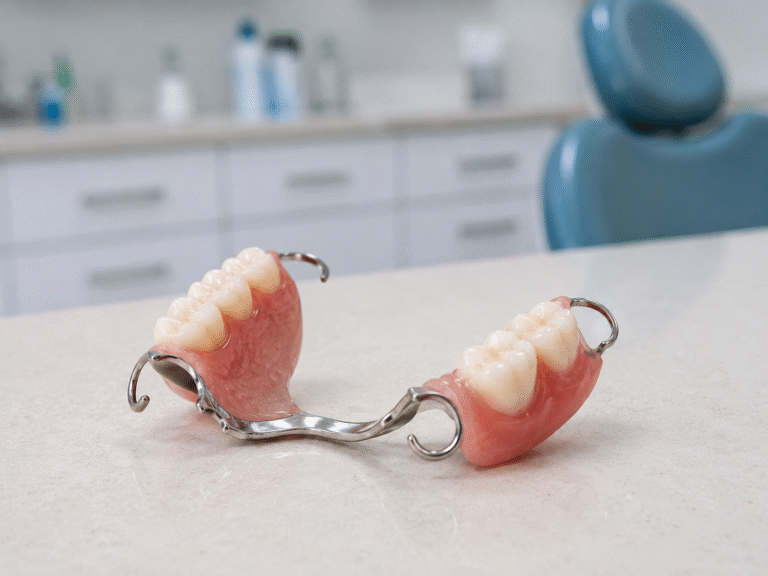
A dental flipper, also known as a flipper denture, is a removable acrylic partial denture designed to replace one or more missing teeth. It is commonly used as a temporary solution while patients wait for a more permanent restoration.
Since different types of removable partial dentures are used in different clinical situations, each appliance is assigned a specific dental procedure code. Understanding these codes helps explain how treatment is documented and billed.
Why Do Dental Procedures Have Codes?
Every dental procedure has a standardized code that allows dentists, insurance companies, and dental offices to communicate clearly about the treatment being provided.
Rather than writing a lengthy description for every procedure, dentists use Current Dental Terminology codes. These are commonly referred to as ADA codes, so patients searching for the ADA code for a flipper are usually referring to the appropriate CDT code used for the appliance. These codes simplify record keeping, insurance claims, and treatment documentation while reducing confusion between providers and insurance carriers.
What Is the Dental Code for a Flipper?
The CDT code for a dental flipper depends on how the appliance is fabricated and its intended use. In most cases, a temporary flipper is reported using:
- D5820 – Interim partial denture for the upper (maxillary) arch.
- D5821 – Interim partial denture for the lower (mandibular) arch.
If the appliance is placed immediately after a tooth extraction, your dentist may instead use:
- D5221 – Immediate maxillary partial denture.
- D5222 – Immediate mandibular partial denture.
In some situations, other CDT codes, such as D5211 or D5212, may be appropriate for resin-based removable partial dentures, depending on the appliance design and your treatment plan. Your dentist will select the code that best reflects the procedure being performed and the type of prosthesis provided.
Factors That Determine the Correct Dental Code
The dental code used for a flipper depends on several clinical factors.
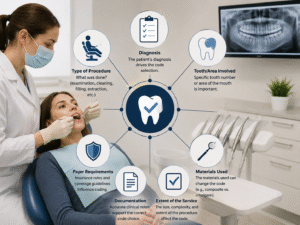
Location of the Appliance
The code differs depending on whether the removable partial denture is made for the upper jaw (maxillary) or the lower jaw (mandibular).
Temporary or Long-Term Use
Some flippers are fabricated only for short-term use while the mouth heals after an extraction. Others may function as removable partial dentures for a longer period. The intended purpose influences which CDT code is appropriate.
Materials Used
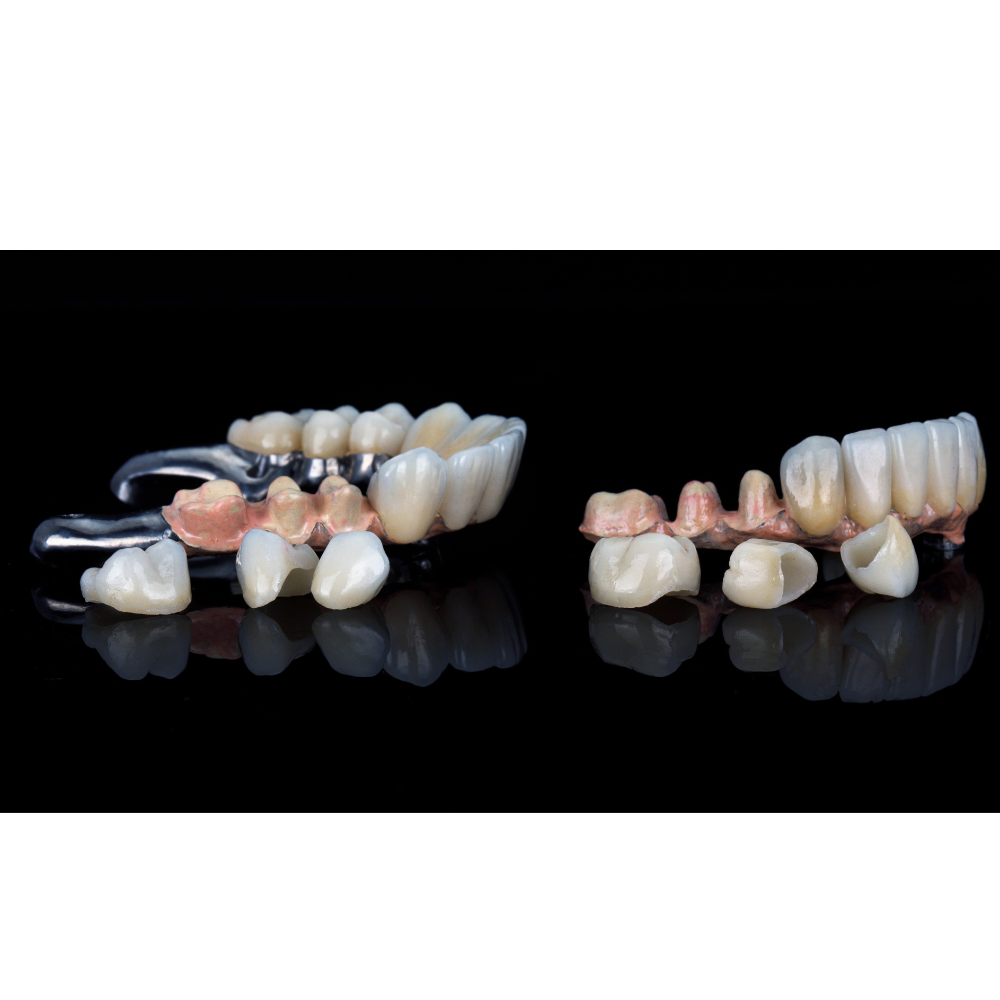
Most flippers are made from acrylic resin because it is lightweight, affordable, and easy to adjust. However, some removable partial dentures include a cast metal framework, which requires a different CDT code.
After selecting the appropriate code, your dentist uses it when submitting claims for reimbursement.
Does Dental Insurance Cover a Flipper?
Insurance coverage for this type of removable partial denture varies by dental plan. Many insurers cover removable partial dentures when they are medically necessary, although deductibles, waiting periods, annual maximums, and replacement limits may apply. Before treatment, ask your dental office for a pre-treatment estimate so your insurance provider can review the CDT code and determine your coverage. Proper care of the appliance can also help maximize its lifespan.
Daily Care and Maintenance
Proper care helps keep the appliance comfortable, functional, and clean throughout its lifespan.
To maintain your appliance:
- Remove and clean it every day using a soft brush and a denture cleaner.
- Rinse it after meals to remove food particles.
- Store it in water or a denture-soaking solution when not in use to prevent drying and warping.
- Avoid biting directly into hard or sticky foods that may damage the appliance.
Understanding both the procedure code and the proper care of your appliance can help you feel more confident throughout your treatment.
Bottom Line
There isn’t a single dental code that applies to every flipper. Instead, the appropriate CDT code is selected based on the type of appliance and your individual treatment plan. If you have questions about the code listed on your estimate or insurance paperwork, your dental provider can explain why it was chosen.
FAQs
Is a dental flipper considered a partial denture?
Yes. It is a removable acrylic partial denture designed to temporarily replace one or more missing teeth.
What is the ADA code for a partial flipper?
The term “ADA code for a partial flipper” generally refers to the appropriate CDT code assigned to a removable partial denture.
Can I eat while wearing a dental flipper?
Yes, although it is best to begin with soft foods and avoid very hard or sticky foods that could damage or loosen the appliance.
Can a dental flipper replace multiple missing teeth?
Yes. Depending on the design, a flipper can replace one or several missing teeth until a more permanent restoration is completed.