
How Long Does a Dental Bridge Actually Last?
Getting a dental bridge is a significant step toward restoring your smile, chewing function, and overall oral function. Whether you’ve recently received one or are considering the procedure, it’s natural to wonder what life with a bridge will look like in the years ahead.
They are designed to be durable and reliable, but their longevity can vary depending on several factors. As a common tooth bridging solution, they help restore both function and appearance after tooth loss. Before discussing their lifespan, it is important to understand what dental bridges are and how they work.
What Is a Dental Bridge?
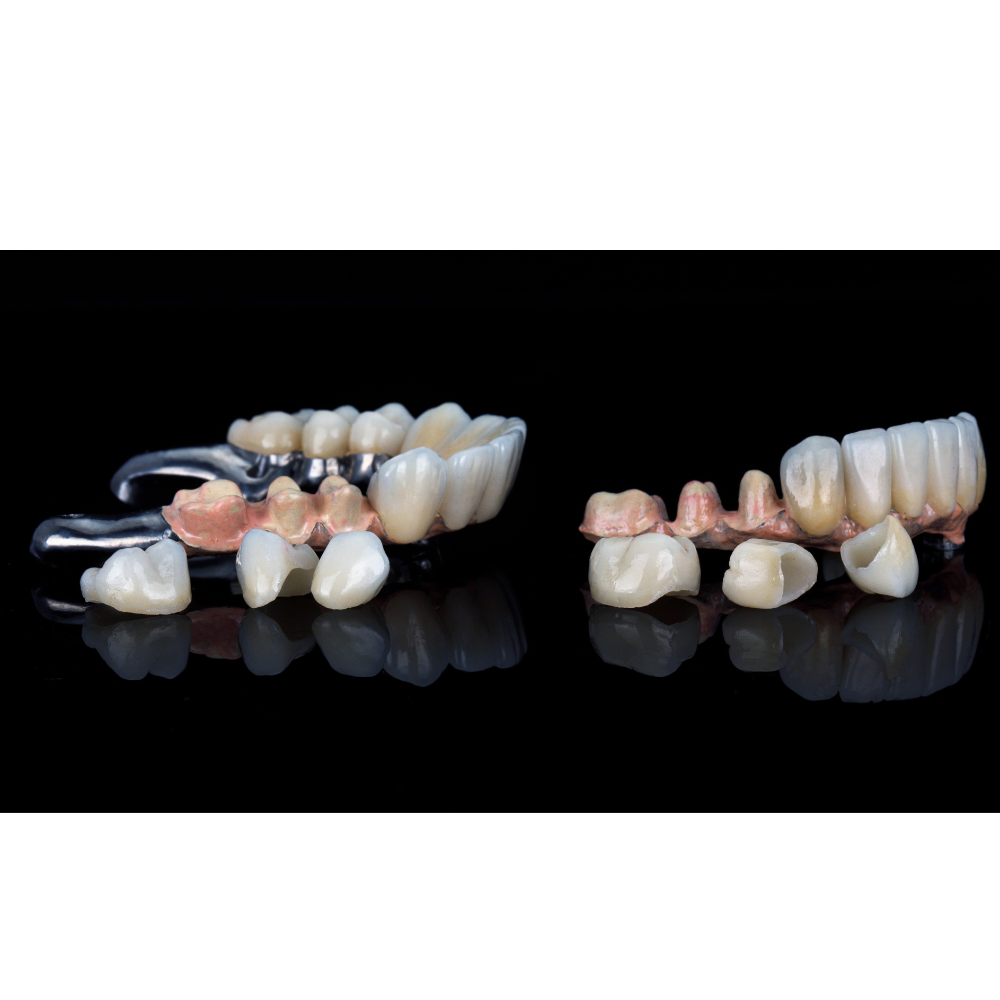
A dental bridge is a fixed restoration used to replace one or more missing teeth. It consists of pontics that are supported by neighboring teeth fitted with crowns or by dental implants. This form of tooth bridging helps close gaps caused by missing teeth while maintaining proper bite alignment and oral function
How Long Does a Dental Bridge Actually Last?
Most dental bridges last between 5 and 15 years, though many remain functional for 20 years or longer with proper care. Their longevity depends on several factors, including the type of bridge, the materials used, and the condition of the supporting teeth and gums. The three main factors that influence how long a bridge lasts are:
- The type of bridge
- The material used
- Your oral hygiene and maintenance habits
Among these factors, the type of the bridge plays a major role in determining its durability.
How Bridge Type Affects Longevity

The lifespan of this restoration largely depends on its design and support method.
Traditional bridges:
Supported by crowns on adjacent teeth and typically lasts 10–15 years.
Cantilever bridges
Cantilever bridges are supported by a single neighboring tooth and generally last 7–10 years due to increased stress on the anchor tooth.
Maryland bridges:
Bonded to the backs of adjacent teeth with metal or porcelain wings and usually last 5–10 years.
Implant-supported bridges:
Anchored to dental implants rather than natural teeth and often last 15 years or longer, making them the most durable option.
In addition to the bridge design, the materials used in its construction can also affect how well it withstands daily wear and tear.
How Bridge Material Influences Lifespan
The material used in a dental bridge can also affect its durability and longevity.
Porcelain:
Porcelain offers the most natural appearance but may be more susceptible to chipping under heavy biting forces.
Porcelain-fused-to-metal (PFM):
Combines strength with aesthetics, making it a durable option for areas exposed to greater chewing pressure.
Zirconia and advanced ceramics:
Known for their exceptional strength and resistance to wear, making them among the most durable bridge materials available.
However, material strength is only one part of the equation. Daily habits and oral health also play a crucial role in determining how long a bridge lasts.
Factors That Affect the Lifespan
While the type and material of a bridge influence its potential lifespan, daily habits and oral care play an equally important role in maintaining good gum health.
- Poor oral hygiene: Plaque buildup around the bridge can lead to tooth decay and gum disease, compromising its support.
- Teeth grinding (bruxism): Excessive pressure can wear down or damage the bridge over time.
- Chewing hard objects: Habits such as chewing ice, hard candy, or non-food items increase the risk of cracks and damage.
- Smoking: Tobacco use increases the risk of gum disease and can negatively affect the long-term success of dental restorations.
Care of Dental Bridges
Proper care can help your dental bridge remain functional for many years. Key maintenance practices include:
- Brush twice daily with fluoride toothpaste.
- Clean beneath the bridge every day using a floss threader, interdental brush, or water flosser.
- Use an antibacterial mouthwash if recommended by your dentist.
- Avoid chewing ice, hard candy, or using your teeth to open packages.
Even with proper care, dental bridges can develop problems over time. Recognizing the warning signs early can help prevent more serious complications.
Signs Your Bridge May Need Attention
Contact your dentist if you notice any of the following:
- Looseness or movement of the bridge
- Pain or discomfort while chewing
- Visible chips, cracks, or excessive wear
Addressing these issues early can often prevent more extensive repairs or replacement.
Bottom Line
A dental bridge is a reliable and long-lasting solution for replacing missing teeth. Most bridges last 5 to 15 years, while some can remain functional for 20 years or more with proper care. Widely used in restorative dentistry, tooth bridging can provide long-lasting function, improve chewing efficiency, and support long-term oral health.
FAQs
Is getting a dental bridge a painful procedure?
Most patients experience little to no pain during the procedure because local anesthesia is used.
How long does a zirconia bridge last?
A zirconia bridge can last 15 years or longer with proper care.
How long do dental bridges last on front teeth?
Dental bridges on front teeth can often last 10–15 years or longer.
Are dental bridges permanent?
No, dental bridges are not permanent; although they are designed to be long-lasting, they may eventually need repair or replacement due to wear, damage, or changes in oral health.