How to Relieve Pain After Teeth Cleaning | All We Need to Know
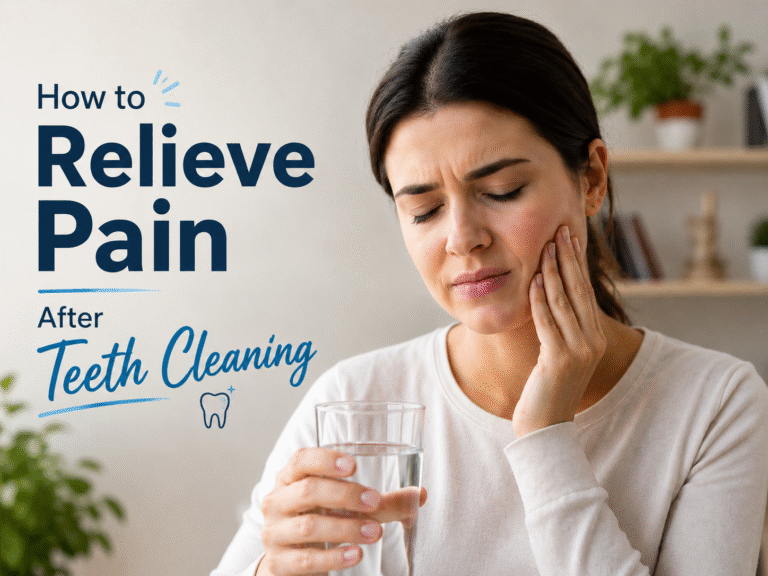
A professional dental cleaning is one of the best ways to maintain healthy teeth and gums, but some patients experience soreness or sensitivity afterward. If you’re wondering how to relieve pain after teeth cleaning, the good news is that this discomfort is usually temporary and can often be managed with simple at-home care.
Most people notice mild toothache, tender gums, or discomfort when eating hot or cold foods. Understanding why these symptoms occur can help you recover more comfortably and know when it’s time to contact your dentist
But before jumping into the solutions, it helps to understand what is actually causing that discomfort in the first place.
Why Do Teeth Hurt After a Dental Cleaning?
Dental cleanings remove plaque, tartar, and surface stains that accumulate on teeth over time. While this process improves oral health, it can temporarily expose areas of the teeth that were previously covered by buildup.
The most common causes of post-cleaning discomfort include:
Removal of Plaque and Tartar
Hardened tartar can act like a protective layer over sensitive areas of the tooth. Once it is removed, the teeth may become more responsive to temperature changes and certain foods.
Gum Irritation
Dental instruments work around the gumline to remove deposits. This can leave gums feeling tender, especially if inflammation or gingivitis was present before the cleaning.
Exposed Dentin
When gums recede or enamel becomes worn, the dentin beneath the enamel may become exposed. Dentin contains tiny tubules that connect to the tooth’s nerves, making teeth more sensitive after a cleaning.
Deep Cleaning Procedures
Scaling and root planing clean below the gumline and smooth root surfaces. Because this treatment reaches deeper areas, patients often experience more sensitivity than they would after a routine cleaning.
How to Relieve Pain After Teeth Cleaning
- Sensitivity Toothpaste blocks nerve pain caused by hot, cold, and sweet foods
- Soft-Bristled Toothbrush: Keep brushing gently on tender gums
- Saltwater Rinse: Half a teaspoon of salt in warm water, rinse for 30 seconds daily
- Avoid Extreme Temperatures; stick to room-temperature food and drinks
- Skip Acidic Foods; avoid citrus, sodas, and sports drinks for 2 to 3 days
- Use Fluoride Products, rinse or gel to help strengthen enamel and reduce sensitivity
How Long Does Pain After Teeth Cleaning Last?
For most people, mild discomfort improves within one to three days. Gum tenderness usually fades quickly as the tissues heal.
After a deep cleaning, sensitivity may last up to a week or slightly longer. The discomfort should gradually decrease rather than worsen over time.

What Should You Avoid After a Dental Cleaning?
Certain habits can make post-cleaning discomfort worse.
Aggressive Brushing
Brushing too hard can irritate already sensitive gums and contribute to further gum recession.
Whitening Products
Whitening toothpastes and whitening treatments may temporarily increase sensitivity. It is often best to wait until your mouth feels normal again before using these products.
Crunchy or Hard Foods
Hard foods may place additional pressure on sensitive teeth and tender gum tissue during the recovery period.
Can Sensitive Teeth Make Dental Cleanings More Painful?
Yes. People with naturally sensitive teeth often feel more discomfort during and after cleanings. If you know your teeth are sensitive, tell your dentist or hygienist before the procedure.
Many dental offices offer options such as:
- Desensitizing gels
- Fluoride treatments
- Gentle cleaning techniques
- Nitrous oxide sedation for anxious patients
- Other comfort-focused approaches for sensitive teeth
Communicating your concerns beforehand can make the experience much more comfortable.

Final Thoughts
Knowing how to relieve pain after teeth cleaning can help you recover comfortably and confidently. Most post-cleaning sensitivity is temporary and occurs because your teeth and gums are adjusting after plaque and tartar removal. Using sensitive toothpaste, avoiding extreme temperatures, practicing gentle oral care, and following your dentist’s instructions can make recovery easier. In most cases, the discomfort fades quickly, leaving you with the lasting benefits of a healthier smile.
FAQs
Is pain after teeth cleaning normal?
Yes. Mild sensitivity and gum soreness are common after professional cleanings and usually improve within a few days.
Why are my teeth sensitive to cold after a cleaning?
Removing plaque and tartar can expose sensitive areas of the tooth, making them react more strongly to temperature changes.
How long does sensitivity last after a deep cleaning?
Sensitivity following scaling and root planing may last up to a week or slightly longer, depending on the condition of your gums and teeth.
Can I brush my teeth after a cleaning?
Yes. Continue brushing and flossing as directed by your dentist, but use gentle techniques and a soft-bristled toothbrush.